Sugar Act Drawing
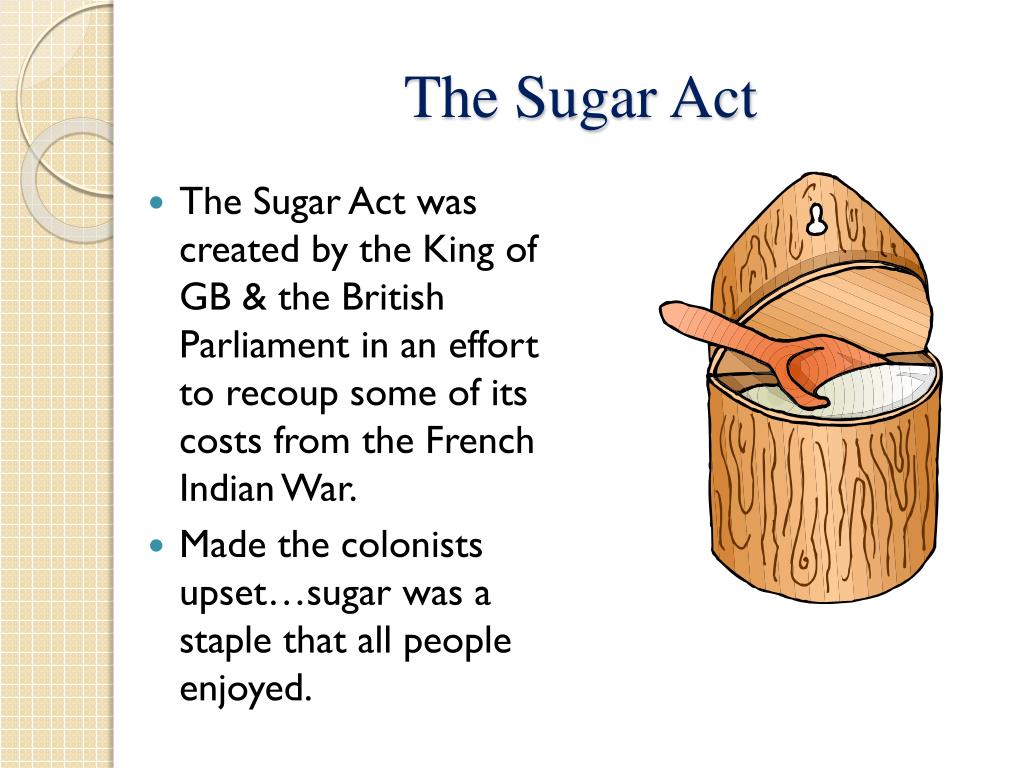
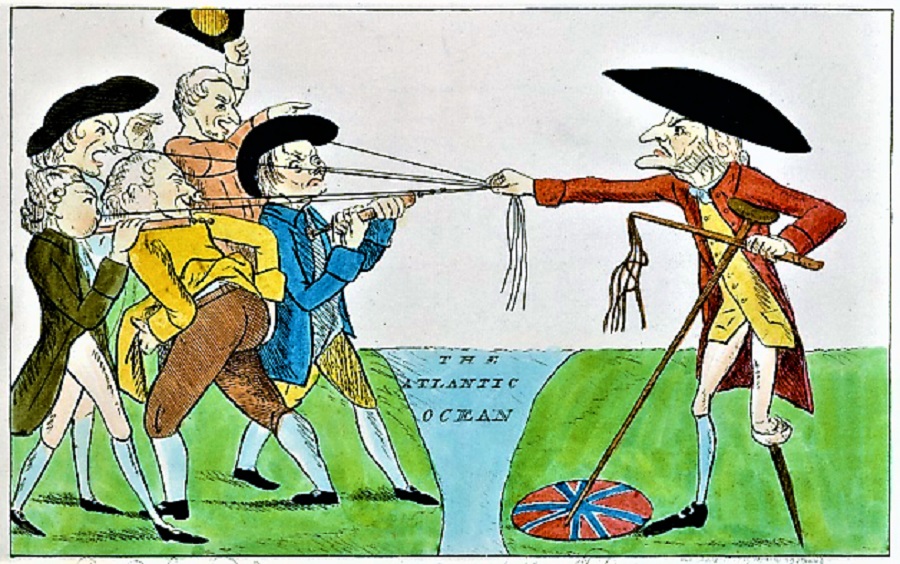
Sugar Act Drawing - Web the sugar act of 1764, also known as the american revenue act, was passed by the british parliament on april 5, 1764, to combat molasses smuggling in the american colonies and earn revenue to fund the colonies’ defense. This act would replace an earlier 1733 tax on sugar and molasses. Briefly introduce the concept of taxation without representation and. Web at the center of this 1764 painting, titled the honeymoon, an alluring young bride delicately drops a sugar cube into her husband’s cup of tea. Web about press copyright contact us creators advertise developers terms privacy policy & safety how youtube works test new features nfl sunday ticket press copyright. The main purpose of the sugar act was to raise money from the american colonies to help pay for some of the costs of a standing army in north america. Web on 5 april 1764, british prime minister george grenville (l. It led to fierce protests from american merchants and to the idea of 'no taxation without representation'; Web the sugar act of 1764 was a revision of the molasses act of 1733. Web the sugar act was passed by parliament on 5 april 1764, and it arrived in the colonies at a time of economic depression. Web one of the first measures passed to raise revenue from the american colonies was a tax on sugar. Web the sugar act reduced the rate of tax on molasses from six pence to three pence per gallon, while grenville took measures that the duty be strictly enforced. In the words of one historian, it brought a “new realism to the regulation of foreign trade in america.” It led to fierce protests from american merchants and to the idea of 'no taxation without representation'; There was an earlier sugar act that established a foundation for the act of 1764. Click for pdf and google slides worksheets. New taxes were implemented on imports of refined sugar, wine, coffee, and other goods. Web the sugar act served as a revenue raising act, passed by great britain to tax sugar and other goods to pay for the seven years war. This act would replace an earlier 1733 tax on sugar and molasses. The main purpose of the sugar act was to raise money from the american colonies to help pay for some of the costs of a standing army in north america. This act would replace an earlier 1733 tax on sugar and molasses. Web at the center of this 1764 painting, titled the honeymoon, an alluring young bride delicately drops a sugar cube into her husband’s cup of tea. Click for pdf and google slides worksheets. Web about press copyright contact us creators advertise developers terms privacy policy & safety how. Web one of the first measures passed to raise revenue from the american colonies was a tax on sugar. Web the sugar act which was enforced in april 5th of 1764 was a law passed by parliament that placed tax on sugar, molasses, and various other products shipped to the colonies. The goal of the act was to raise revenue. Colonial history, british legislation (1764) aimed at ending the smuggling trade in sugar and molasses from the french and dutch west indies and at providing increased revenues to fund enlarged british empire responsibilities following the. Click for pdf and google slides worksheets. It led to fierce protests from american merchants and to the idea of 'no taxation without representation'; The. Web on april 5 1764, the british parliament passed the sugar act, which replaced the existing molasses act of 1733. Web the sugar act was a tax imposed by the parliament of great britain on molasses and sugar in the american colonies. Web the sugar act, or the american revenue act, was passed by parliament on april 5, 1764. It. Web here, writer and illustrator ricardo cortés presents a series of drawings referencing the slave labor central to sugar’s historic manufacture. Web one of the first measures passed to raise revenue from the american colonies was a tax on sugar. New taxes were implemented on imports of refined sugar, wine, coffee, and other goods. Briefly introduce the concept of taxation. The main purpose of the sugar act was to raise money from the american colonies to help pay for some of the costs of a standing army in north america. Web the sugar act of 1764 was an extension of the molasses act of 1733, which was set to expire in 1763. Web on 5 april 1764, british prime minister. Colonial history, british legislation (1764) aimed at ending the smuggling trade in sugar and molasses from the french and dutch west indies and at providing increased revenues to fund enlarged british empire responsibilities following the. Web the sugar act of 1764 was an extension of the molasses act of 1733, which was set to expire in 1763. Briefly introduce the. Web provide an overview of the sugar act, explaining that the british parliament passed the act in 1764 taxing sugar, molasses, and other products imported into the american colonies. Web at the center of this 1764 painting, titled the honeymoon, an alluring young bride delicately drops a sugar cube into her husband’s cup of tea. Web the sugar act of. The law lowered the duty on foreign molasses imported into the colonies but also tightened enforcement of the act. Web on april 5 1764, the british parliament passed the sugar act, which replaced the existing molasses act of 1733. There was an earlier sugar act that established a foundation for the act of 1764. Web the sugar act of 1764. Web the sugar act, or the american revenue act, was passed by parliament on april 5, 1764. A good part of the reason was that a significant portion of the colonial economy during the seven years' war was involved with supplying food and supplies to the british army. It led to fierce protests from american merchants and to the idea. The sugar act was, therefore, one of the sparks of the american revolution. Web on april 5 1764, the british parliament passed the sugar act, which replaced the existing molasses act of 1733. In the words of one historian, it brought a “new realism to the regulation of foreign trade in america.” Web the sugar act was passed by parliament on 5 april 1764, and it arrived in the colonies at a time of economic depression. A good part of the reason was that a significant portion of the colonial economy during the seven years' war was involved with supplying food and supplies to the british army. Web the sugar act of 1764 was a revision of the molasses act of 1733. Web the sugar act was a tax imposed by the parliament of great britain on molasses and sugar in the american colonies. The main purpose of the sugar act was to raise money from the american colonies to help pay for some of the costs of a standing army in north america. Web parliament passed the sugar act, which was a tax on sugar, wine, indigo (a type of color dye) and molasses. Web the sugar act which was enforced in april 5th of 1764 was a law passed by parliament that placed tax on sugar, molasses, and various other products shipped to the colonies. Web at the center of this 1764 painting, titled the honeymoon, an alluring young bride delicately drops a sugar cube into her husband’s cup of tea. Briefly introduce the concept of taxation without representation and. Web the sugar act of 1764, also known as the american revenue act, was passed by the british parliament on april 5, 1764, to combat molasses smuggling in the american colonies and earn revenue to fund the colonies’ defense. The last was very important to new england merchants, since they bought molasses to make rum to sell to other colonies. Web the sugar act, or the american revenue act, was passed by parliament on april 5, 1764. This law was passed because of the same purpose as the stamp act, to help pay for england's debt.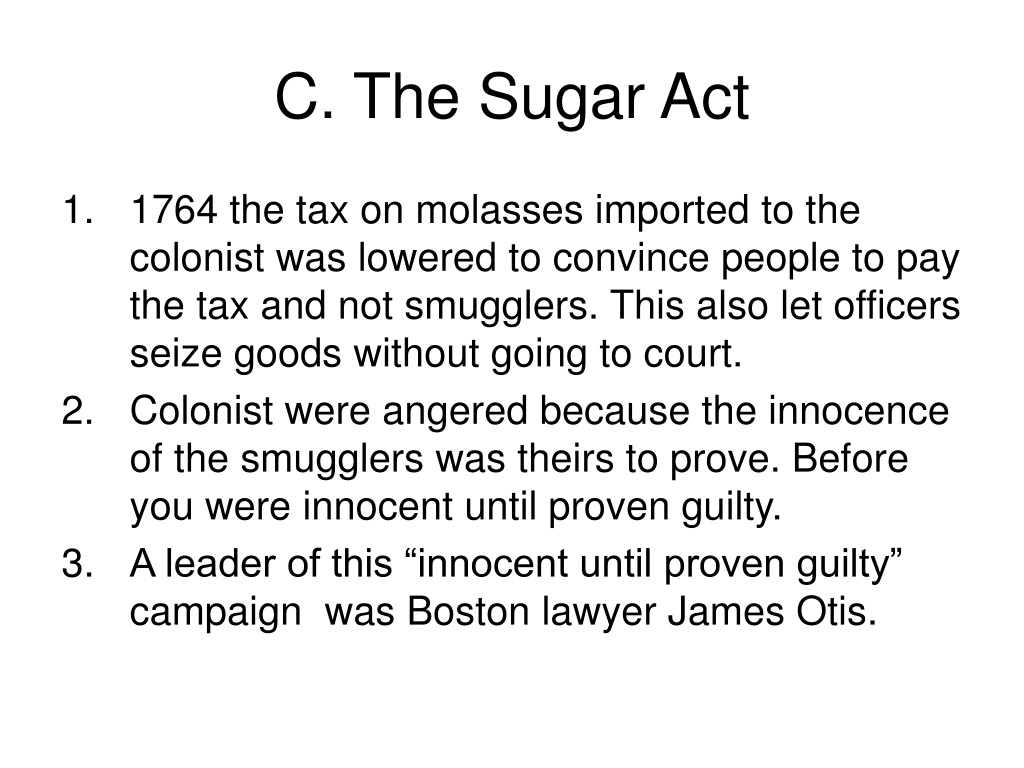
PPT Chapter 5 Section 1 Taxation Without Representation PowerPoint

The Sugar Act Of 1764 Drawings

Sugar Act of 1764 Summary YouTube

The Sugar Act

PPT The Stirrings of Rebellion PowerPoint Presentation, free download
PPT Chapter 1 Early America PowerPoint Presentation, free download
The Sugar Act Of 1764 Drawings
/boston-harbour-3094968-85de5e4727ec426cba27e4656b2f5f75.jpg)
Sugar Act Cartoon Drawing canvastitmouse
+Increased+taxes+on+molasses+and+sugar.jpg)
What does the word “Revolution” mean to you? ppt download

Sugar Act Easy Drawings Sketch Coloring Page
Web The Sugar Act Of 1764 Levied Taxes On Imports To British Colonies In North America.
It Led To Fierce Protests From American Merchants And To The Idea Of 'No Taxation Without Representation';
The Law Lowered The Duty On Foreign Molasses Imported Into The Colonies But Also Tightened Enforcement Of The Act.
This Act Would Replace An Earlier 1733 Tax On Sugar And Molasses.
Related Post: