Drawing Of Ribosome
Drawing Of Ribosome - Web structure of ribosomes. Ribosomes, structure of ribosomes, how to draw ribosomes, easy diagram of ribosomes, how to draw ribosomes step by. Facts, analogy, meaning, components, structure, & purpose with examples, & labeled picture. Web in this video i'm going to draw diagram of the ribosome, please send your feedback, #ribosome #ribosomediagram#sciencediagram. The mrna travels to the ribosomes, which translate the code provided by the sequence of the nitrogenous bases in the mrna into a specific order of amino acids in a protein. Recall that rna pol ii is used by. Web ribosomes appear flattened and spherical in shape when viewed under an electron microscope, with a diameter ranging between 15 to 25 nm. A ribosome is made from complexes of rnas and proteins and is, therefore, a ribonucleoprotein. Each ribosome is divided into two subunits: Due to the fact that they are made from two subunits of differing size, they. Web each mrna molecule is simultaneously translated by many ribosomes, all synthesizing protein in the same direction: A eukaryotic ribosome is composed of nucleic acids and about 80 proteins and has a molecular mass of about 4,200,000 da. Each ribosome is divided into two subunits: Web a ribosome is a complex cellular mechanism used to translate genetic code into chains of amino acids. Web ribosomes comprise of two subunits that are suitably composed and function as one to translate the mrna into a polypeptide chain amid protein synthesis. A large and a small subunit. The mrna comprises a series of codons that dictate to the ribosome the sequence of the amino acids needed to make the protein. Web a ribosome is a complex molecular machine found inside the living cells that produce proteins from amino acids during a process called protein synthesis or translation. Web structure of ribosomes. In eukaryotes, the nucleolus is completely specialized for the synthesis and assembly of rrnas. Web each mrna molecule is simultaneously translated by many ribosomes, all synthesizing protein in the same direction: The mrna travels to the ribosomes, which translate the code provided by the sequence of the nitrogenous bases in the mrna into a specific order of amino acids in a protein. Web a ribosome is a complex molecular machine found inside the living. Recall that rna pol ii is used by. Each ribosome is divided into two subunits: In eukaryotes, the nucleolus is completely specialized for the synthesis and assembly of rrnas. Every set of 3 nucleotides (called a codon) contains the blueprint for a specific amino acid. Long chains of amino acids fold and function as proteins in cells. Some chromosomes have sections of dna that encode ribosomal rna, a type of structural rna that combines with proteins to make the ribosome. Ribosomes link amino acids together in the order specified by the codons of messenger rna molecules to form polypeptide chains. Recall that rna pol ii is used by. Web how do you make a ribosome? Around 37. In the nucleolus, new ribosomal rna combines with proteins to form the subunits of the ribosome. Ribosomes, structure of ribosomes, how to draw ribosomes, easy diagram of ribosomes, how to draw ribosomes step by. Web ribosomes receive their “orders” for protein synthesis from the nucleus where the dna is transcribed into messenger rna (mrna). Web the rna part of the. Every set of 3 nucleotides (called a codon) contains the blueprint for a specific amino acid. Mrna is a chain of chemicals called nucleotides, which a ribosome “reads” in groups of three: Facts, analogy, meaning, components, structure, & purpose with examples, & labeled picture. Some chromosomes have sections of dna that encode ribosomal rna, a type of structural rna that. The mrna travels to the ribosomes, which translate the code provided by the sequence of the nitrogenous bases in the mrna into a specific order of amino acids in a protein. Web ribosomes receive their “orders” for protein synthesis from the nucleus where the dna is transcribed into messenger rna (mrna). The process of protein synthesis is a primary function,. Web ribosomes collect and link amino acids together. Web a ribosome is a complex molecular machine found inside the living cells that produce proteins from amino acids during a process called protein synthesis or translation. A smaller subunit which binds to a larger subunit and the mrna pattern, and Web ribosomes appear flattened and spherical in shape when viewed under. The mrna travels to the ribosomes, which translate the code provided by the sequence of the nitrogenous bases in the mrna into a specific order of amino acids in a protein. Each ribosome is divided into two subunits: Mrna is a chain of chemicals called nucleotides, which a ribosome “reads” in groups of three: Web a ribosome is a complex. Due to the fact that they are made from two subunits of differing size, they. The ribosome moves forward on the mrna, codon by codon, as it is read and translated into a polypeptide (protein chain). The mrna comprises a series of codons that dictate to the ribosome the sequence of the amino acids needed to make the protein. Recall. One bacterial cell contains ~10,000 such structures and a eukaryotic cell contains many times more. Web a ribosome is a complex cellular mechanism used to translate genetic code into chains of amino acids. Web ribosomes consist of two subunits: The process of protein synthesis is a primary function, which is performed by all living cells. A smaller subunit which binds. Around 37 to 62% of rna is comprised of rna and the rest is proteins. Web a ribosome is a complex cellular mechanism used to translate genetic code into chains of amino acids. In eukaryotes, the nucleolus is completely specialized for the synthesis and assembly of rrnas. Facts, analogy, meaning, components, structure, & purpose with examples, & labeled picture. Web structure of ribosomes. The small and large ribosomal subunits. Web ribosomes collect and link amino acids together. Web ribosomes comprise of two subunits that are suitably composed and function as one to translate the mrna into a polypeptide chain amid protein synthesis. Ribosomes link amino acids together in the order specified by the codons of messenger rna molecules to form polypeptide chains. Every set of 3 nucleotides (called a codon) contains the blueprint for a specific amino acid. Web a ribosome is made up of two basic pieces: Web ribosomes appear flattened and spherical in shape when viewed under an electron microscope, with a diameter ranging between 15 to 25 nm. Web in this video i'm going to draw diagram of the ribosome, please send your feedback, #ribosome #ribosomediagram#sciencediagram. Ribosomes consist of two major components: One bacterial cell contains ~10,000 such structures and a eukaryotic cell contains many times more. In the nucleolus, new ribosomal rna combines with proteins to form the subunits of the ribosome.
The structure of the ribosome Infographics on Vector Image
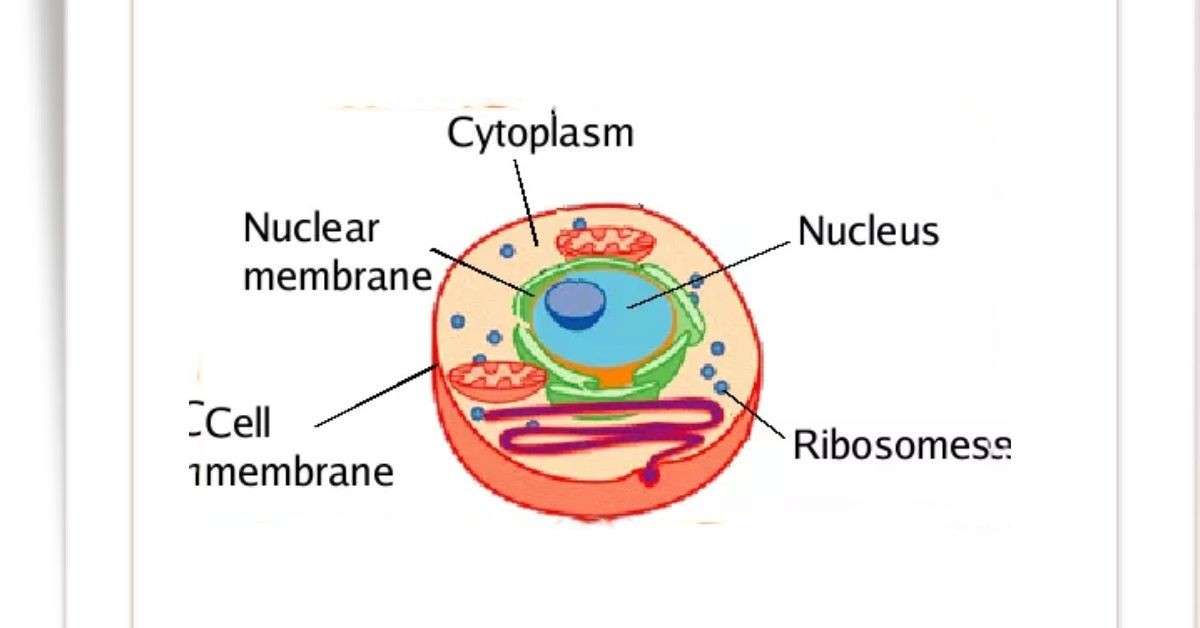
Ribosome Types, Structure and Functions Biology Educare
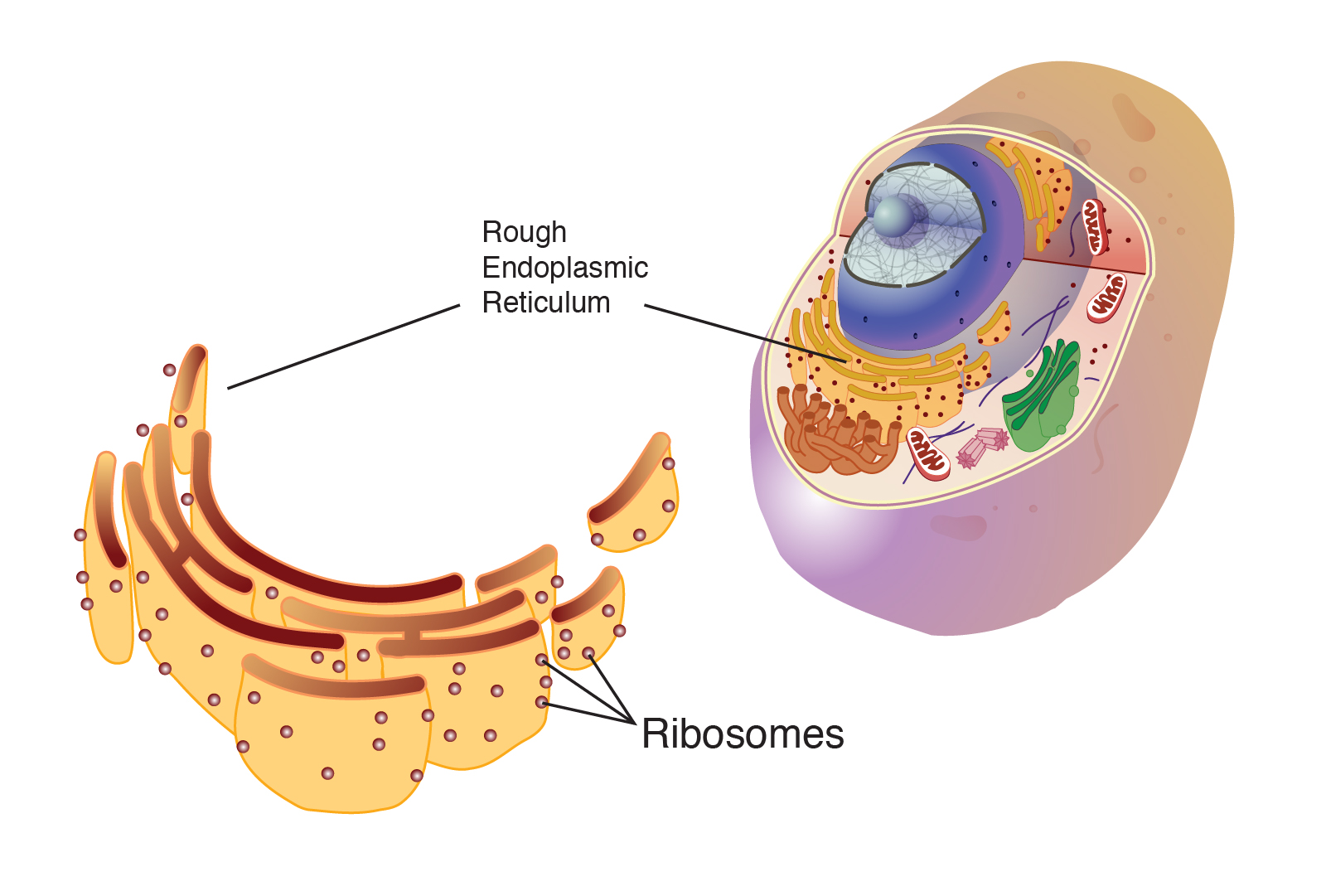
Ribosome

how to draw ribosome diagram easily YouTube

The Structure Of The Ribosome Infographics Vector Illustration On

The structure of the ribosome Functions Royalty Free Vector
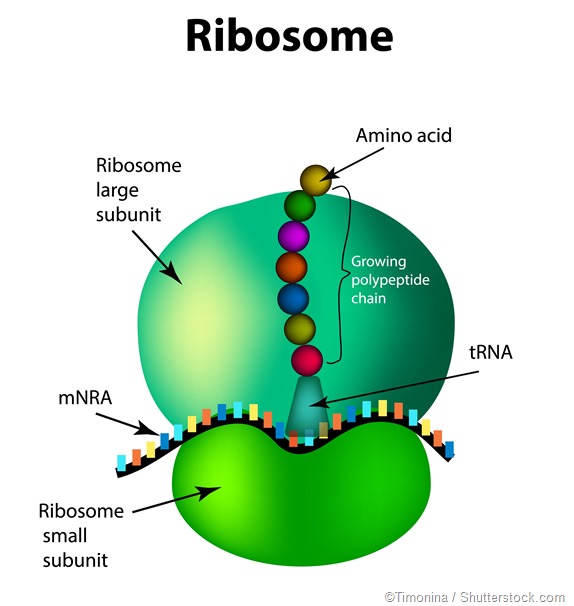
Ribosome Structure
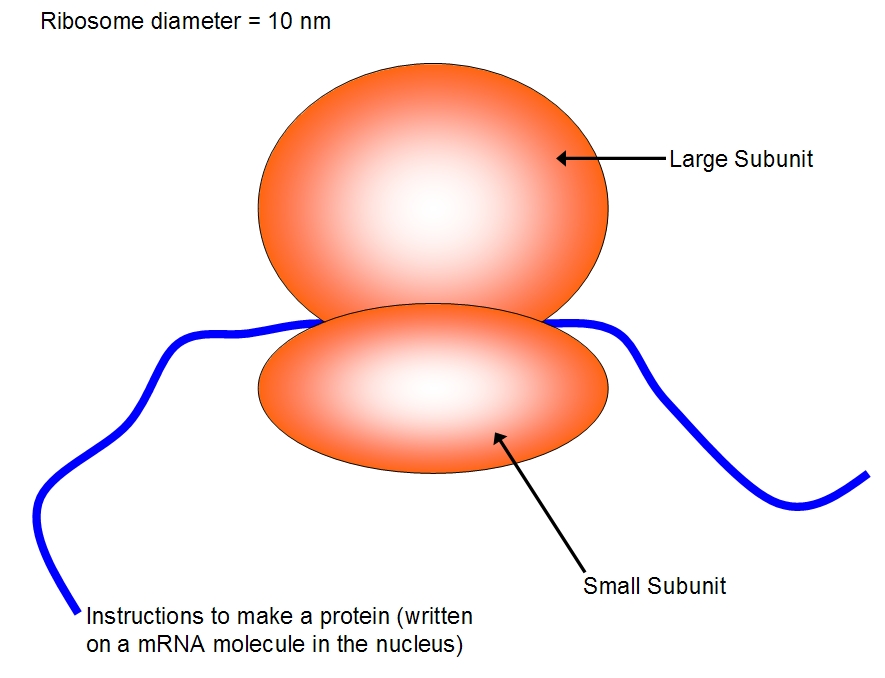
Ribosomes
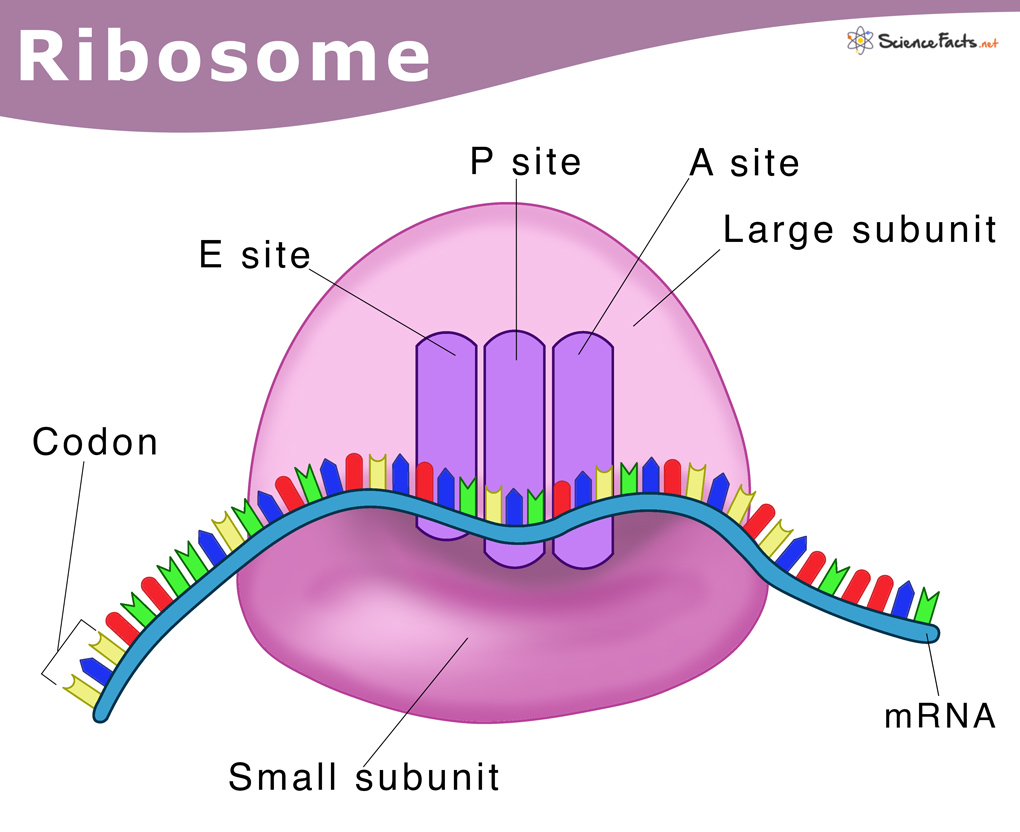
Ribosomes Definition, Structure, & Functions, with Diagram
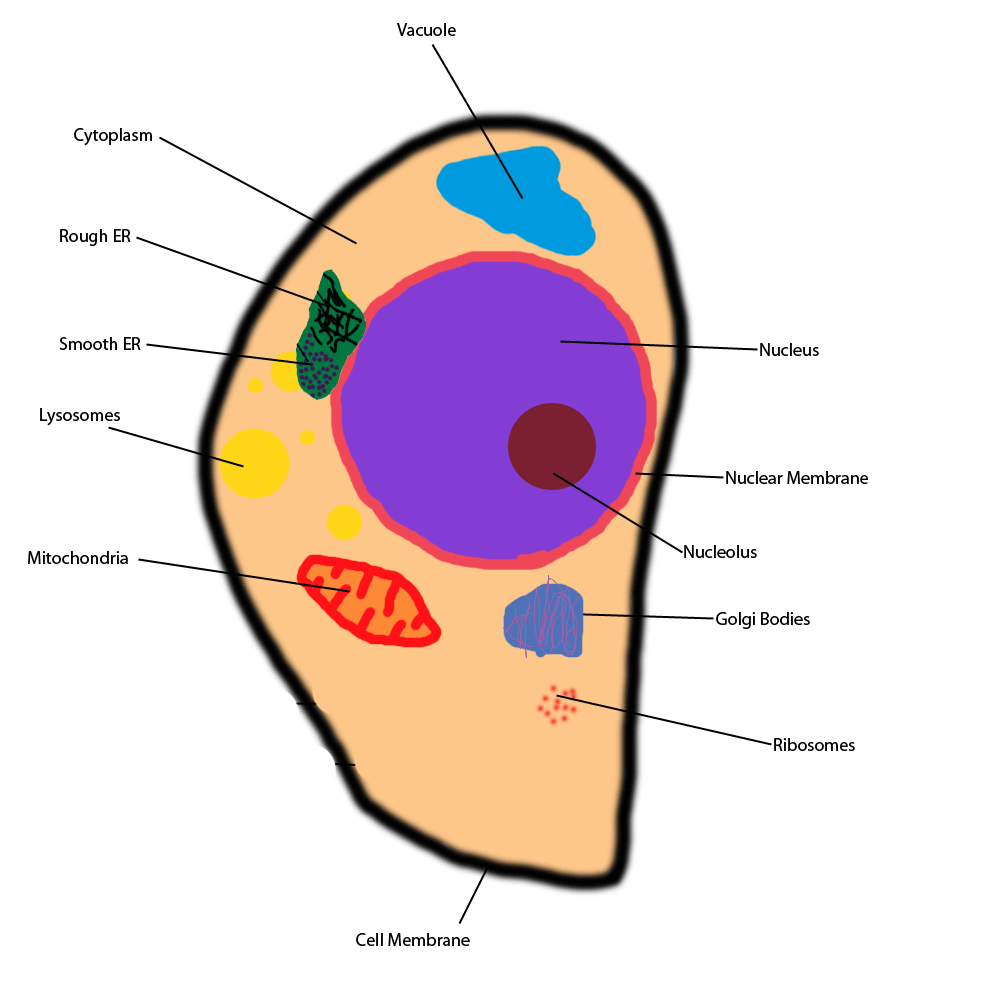
Ribosomes Diagram ClipArt Best
Web Ribosome Is A Key Component In The Process Of Translation Therefore Studied Extensively.
The Ribosome Moves Forward On The Mrna, Codon By Codon, As It Is Read And Translated Into A Polypeptide (Protein Chain).
A Bacterial Ribosome Is About 250 Nm In Diameter And Consists Of Two Subunits, One Large And One Small.
Web The Rna Part Of The Ribosomes Are Generated By The Organism’s General Purpose Rna Polymerase In Prokaryotes, And Generated By The Rna Polymerases I And Iii In Eukaryotes.
Related Post: