Cave Man Drawings
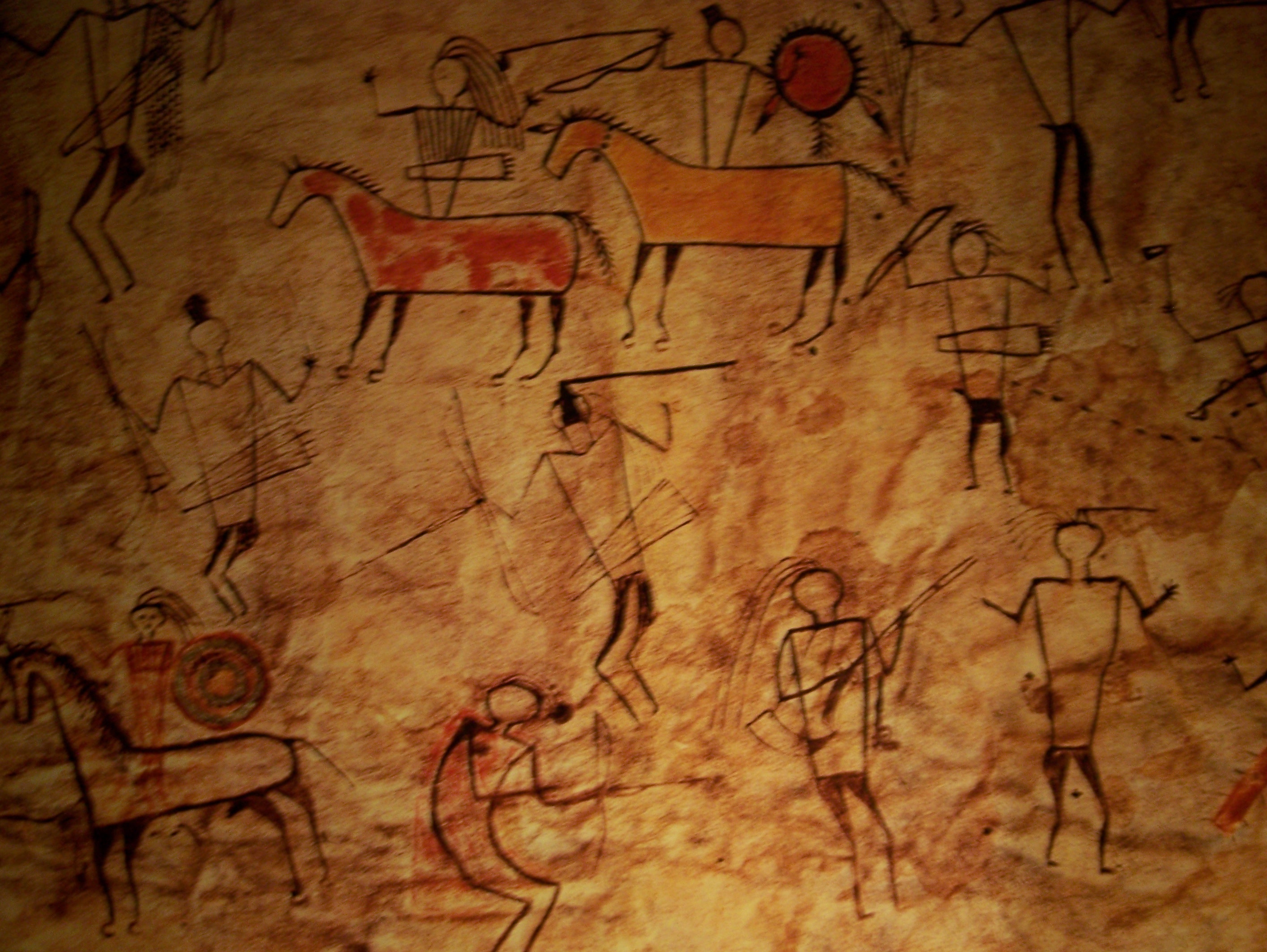
Cave Man Drawings - There are no concrete, universal theories about the purpose of these ancient paintings. The total number of known decorated sites is about 400. Web the iconic caveman in popular culture is fred flintstone: Web despite humans who lived during these eras being thought of as prehistoric or cavemen, many of these sketches show impressive creativity and skill. In general, we think of the cave art produced by prehistoric people as crude and imprecise too—a mere. Web cave art, also called parietal art or cave paintings, is a general term referring to the decoration of the walls of rock shelters and caves throughout the world. Web because the cave art found in indonesia shared similarities with the cave art in western europe—namely, that early people seemed to have a fascination animals, and had a propensity for painting abstractions of those animals in caves—many scientists now believe that the impressive works are evidence of the way the human brain was. Ryumin, who had actually gone into the cave looking for bats, discovered brightly colored works of art depicting various animals, including rhinos, horses, and mammoths. These paintings are found in caves all over the world, although the most famous examples are located in france and spain. Web in archaeology, cave paintings are a type of parietal art (which category also includes petroglyphs, or engravings ), found on the wall or ceilings of caves. Most cave art consists of paintings made with either red or black pigment. They depict cows in ceremonial robes that are accompanied by a giraffe, domesticated dogs, and humans. Web these prehistoric cave paintings are estimated to be between 11,000 to 5,000 years old. There are no concrete, universal theories about the purpose of these ancient paintings. Ryumin, who had actually gone into the cave looking for bats, discovered brightly colored works of art depicting various animals, including rhinos, horses, and mammoths. Web because the cave art found in indonesia shared similarities with the cave art in western europe—namely, that early people seemed to have a fascination animals, and had a propensity for painting abstractions of those animals in caves—many scientists now believe that the impressive works are evidence of the way the human brain was. The total number of known decorated sites is about 400. It’s a form of prehistoric art, alongside the. They show cows in ceremonial robes accompanied by humans, domesticated dogs and even a giraffe. Web the following examples of cave art shown below are just a few of the many examples of prehistoric art (discovered) known to man and it is recommended that you try to consider the context in which these artworks may have occurred and how this informs your current practice or research area. Web in archaeology, cave paintings are a type of parietal art (which category also includes petroglyphs, or engravings ), found on the wall or ceilings of caves. Web located inside the limestone cave of leang karampuang in the maros pangkep region of south sulawesi, the picture portrays three humanlike figures interacting with a wild pig. Ryumin, who had actually gone. Who created cave art, and what was its initial purpose? Web cave art, generally, the numerous paintings and engravings found in caves and shelters dating back to the ice age, roughly between 40,000 and 14,000 years ago. Cave paintings are well preserved. The discovery in a remote part of indonesia has scholars rethinking the origins of art—and of humanity. Web. Most cave art consists of paintings made with either red or black pigment. They show cows in ceremonial robes accompanied by humans, domesticated dogs and even a giraffe. Web a journey to the oldest cave paintings in the world. In general, we think of the cave art produced by prehistoric people as crude and imprecise too—a mere. Web the iconic. It’s a form of prehistoric art, alongside the. Web cave art, also called parietal art or cave paintings, is a general term referring to the decoration of the walls of rock shelters and caves throughout the world. These paintings are found in caves all over the world, although the most famous examples are located in france and spain. Web because. They show cows in ceremonial robes accompanied by humans, domesticated dogs and even a giraffe. Web in archaeology, cave paintings are a type of parietal art (which category also includes petroglyphs, or engravings ), found on the wall or ceilings of caves. Web cave paintings are prehistoric paintings and drawings that were created on cave walls and ceilings, some of. Who created cave art, and what was its initial purpose? Web in archaeology, cave paintings are a type of parietal art (which category also includes petroglyphs, or engravings ), found on the wall or ceilings of caves. Web these prehistoric cave paintings are estimated to be between 11,000 to 5,000 years old. The cave paintings are excellently preserved and retain. These paintings are found in caves all over the world, although the most famous examples are located in france and spain. Web these prehistoric cave paintings are estimated to be between 11,000 to 5,000 years old. Web because the cave art found in indonesia shared similarities with the cave art in western europe—namely, that early people seemed to have a. Most cave art consists of paintings made with either red or black pigment. Web in archaeology, cave paintings are a type of parietal art (which category also includes petroglyphs, or engravings ), found on the wall or ceilings of caves. Web he identified drawings of ancient humans on the walls of the kapova (shulgantash) cave. These paintings were often created. Web the prehistoric cave paintings are estimated to be between 11,000 and 5,000 years old. Web dated to 65,000 years ago, the cave paintings and shell beads are the first works of art dated to the time of neanderthals, and they include the oldest cave art ever found. These paintings were often created by homo sapiens, but also denisovans and. This revelation was surprising because researchers have previously found most ancient cave art in europe. It’s a form of prehistoric art, alongside the. The discovery in a remote part of indonesia has scholars rethinking the origins of art—and of humanity. Web these prehistoric cave paintings are estimated to be between 11,000 to 5,000 years old. Who created cave art, and. Most cave art consists of paintings made with either red or black pigment. Cave paintings are well preserved. Web the prehistoric cave paintings are estimated to be between 11,000 and 5,000 years old. In general, we think of the cave art produced by prehistoric people as crude and imprecise too—a mere. These paintings were often created by homo sapiens, but also denisovans and neanderthals; Who created cave art, and what was its initial purpose? This revelation was surprising because researchers have previously found most ancient cave art in europe. Other species in the same homo genus. The discovery in a remote part of indonesia has scholars rethinking the origins of art—and of humanity. Web he identified drawings of ancient humans on the walls of the kapova (shulgantash) cave. They show cows in ceremonial robes accompanied by humans, domesticated dogs and even a giraffe. These paintings are found in caves all over the world, although the most famous examples are located in france and spain. The term usually implies prehistoric origin. The total number of known decorated sites is about 400. Web cave paintings are prehistoric paintings and drawings that were created on cave walls and ceilings, some of which date back to as early as 40,000 years ago. Web the following examples of cave art shown below are just a few of the many examples of prehistoric art (discovered) known to man and it is recommended that you try to consider the context in which these artworks may have occurred and how this informs your current practice or research area.
Caveman by Wernerio on DeviantArt
Caveman Drawing at GetDrawings Free download

My Drawing of Frank Franzetta's Caveman by LevonHackensaw on DeviantArt

Caveman final by PositiveDope on DeviantArt

Primitive Caveman Sketch Vector Illustration Stock Vector

ArtStation Caveman, Alex Negrea Prehistoric man, Prehistoric age

Happy cartoon caveman 2172977 Vector Art at Vecteezy

Realistic Caveman Drawings

Caveman for CDC by Morten Solgaard Pedersen ImaginaryCharacters

caveman Cartoon character design, Character design animation
Who Created Cave Art, And What Was Its Initial Purpose?
Web Despite Humans Who Lived During These Eras Being Thought Of As Prehistoric Or Cavemen, Many Of These Sketches Show Impressive Creativity And Skill.
Web Cave Art, Generally, The Numerous Paintings And Engravings Found In Caves And Shelters Dating Back To The Ice Age, Roughly Between 40,000 And 14,000 Years Ago.
Web Because The Cave Art Found In Indonesia Shared Similarities With The Cave Art In Western Europe—Namely, That Early People Seemed To Have A Fascination Animals, And Had A Propensity For Painting Abstractions Of Those Animals In Caves—Many Scientists Now Believe That The Impressive Works Are Evidence Of The Way The Human Brain Was.
Related Post: